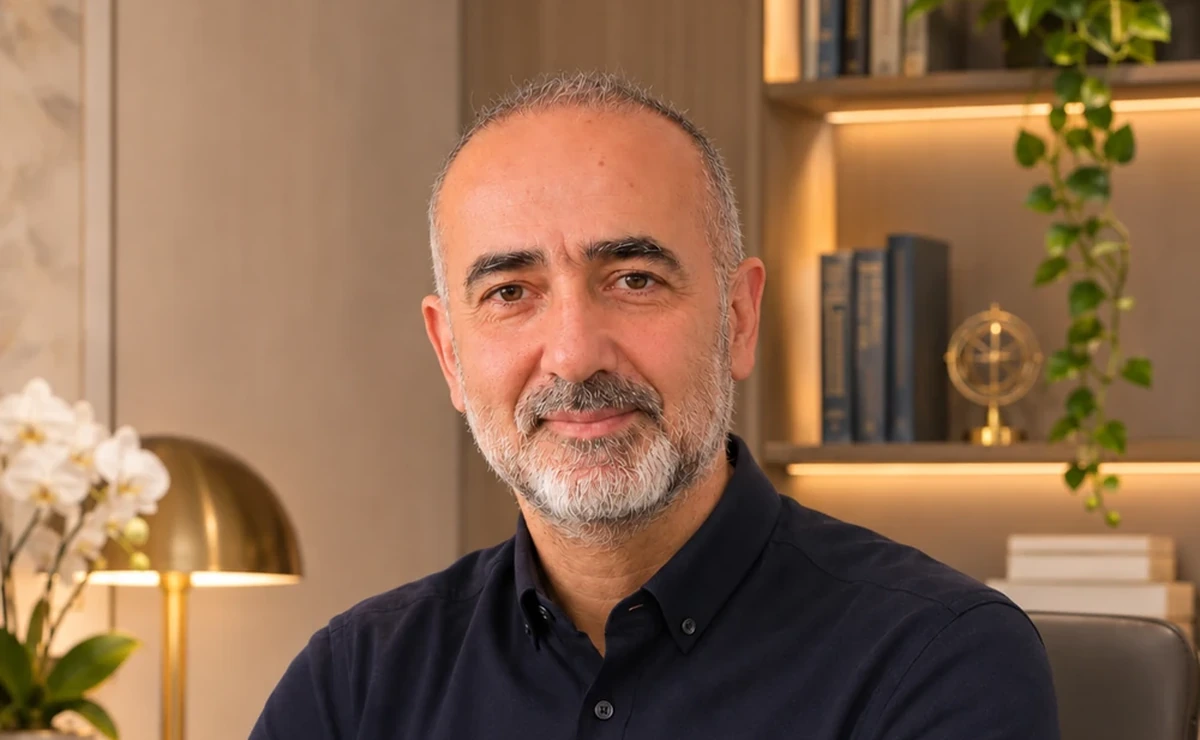
 Op. Dr. Mehmet DoğanSpecialist in Plastic, Reconstructive and Aesthetic Surgery
GYNECOMASTIA · MERSIN
Gynecomastia Surgery
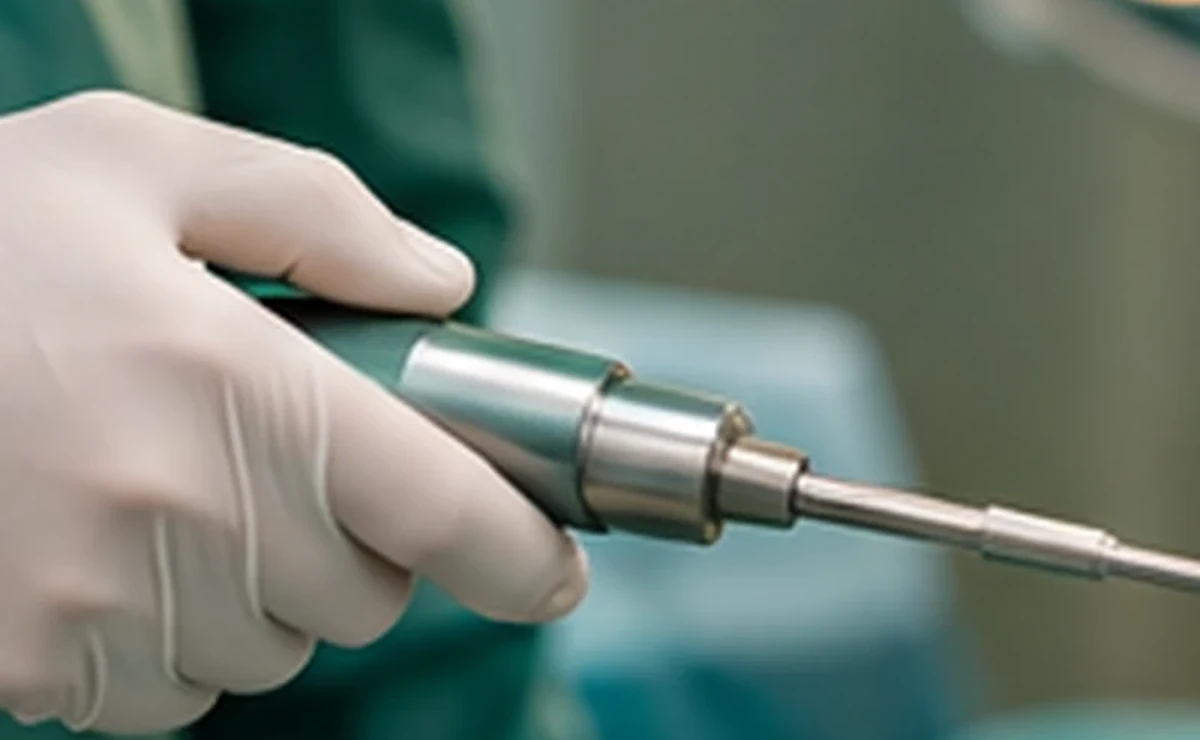
For carefully selected patients, we address both fat and breast glandular tissue with Lipomatic assistance in a single session without an additional incision.


GYNECOMASTIA · MERSIN
Surgical topics

What Is Gynecomastia?
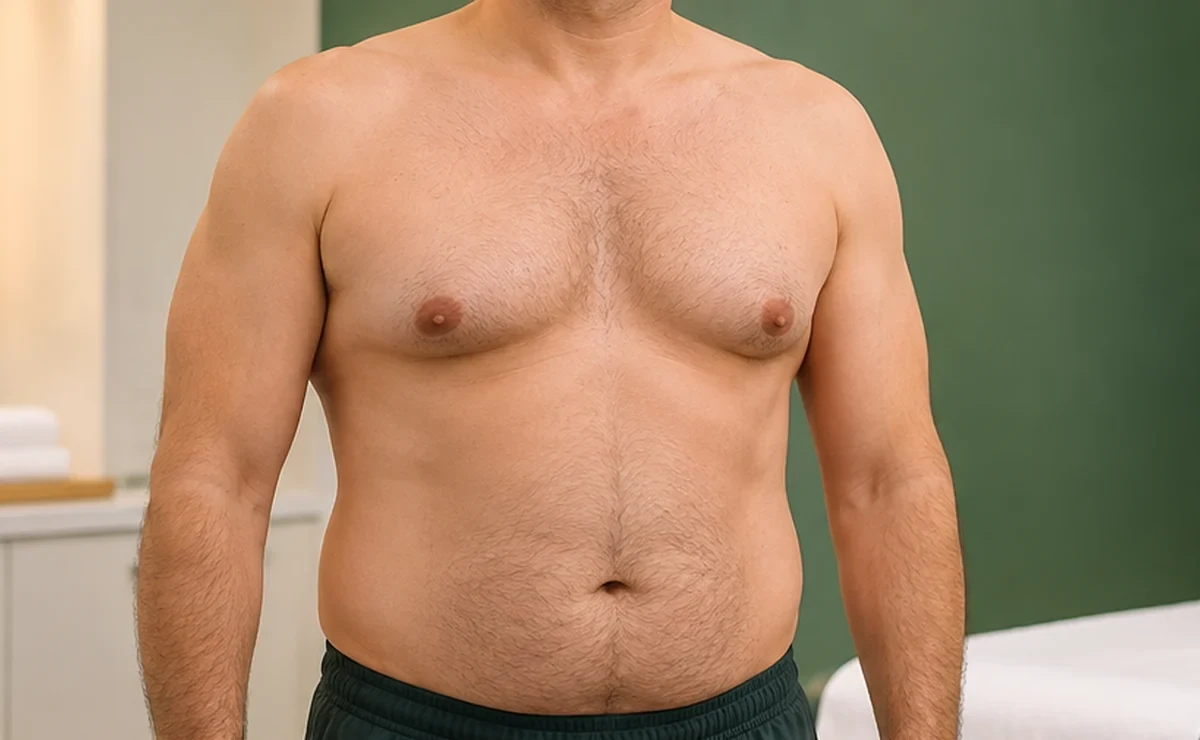
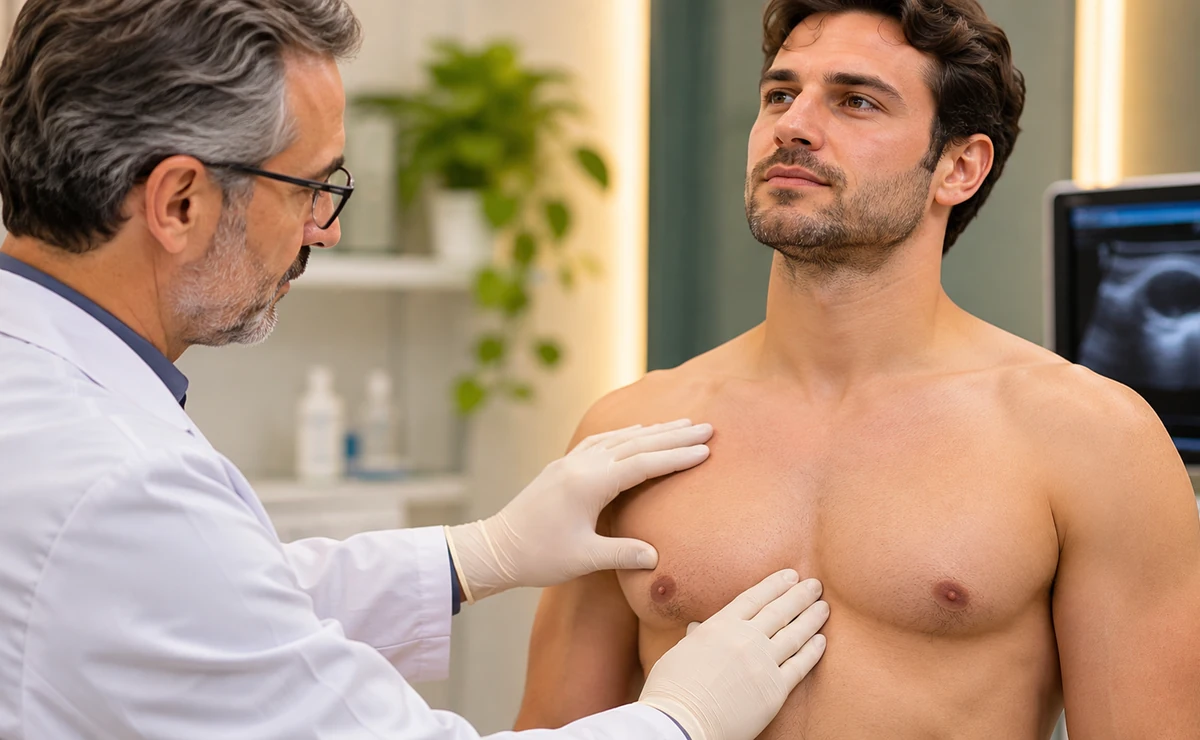
Clinical examination helps distinguish enlargement caused by glandular breast tissue from enlargement mainly related to fatty tissue.
Learn more ↗
Causes and Types
Hormonal changes during puberty, certain medications and some medical conditions can contribute to glandular breast enlargement.
Learn more ↗
Assessment and Planning
Chest asymmetry, nipple position and tissue firmness help guide the choice and extent of a surgical approach.
Learn more ↗
Excess Skin and Contour
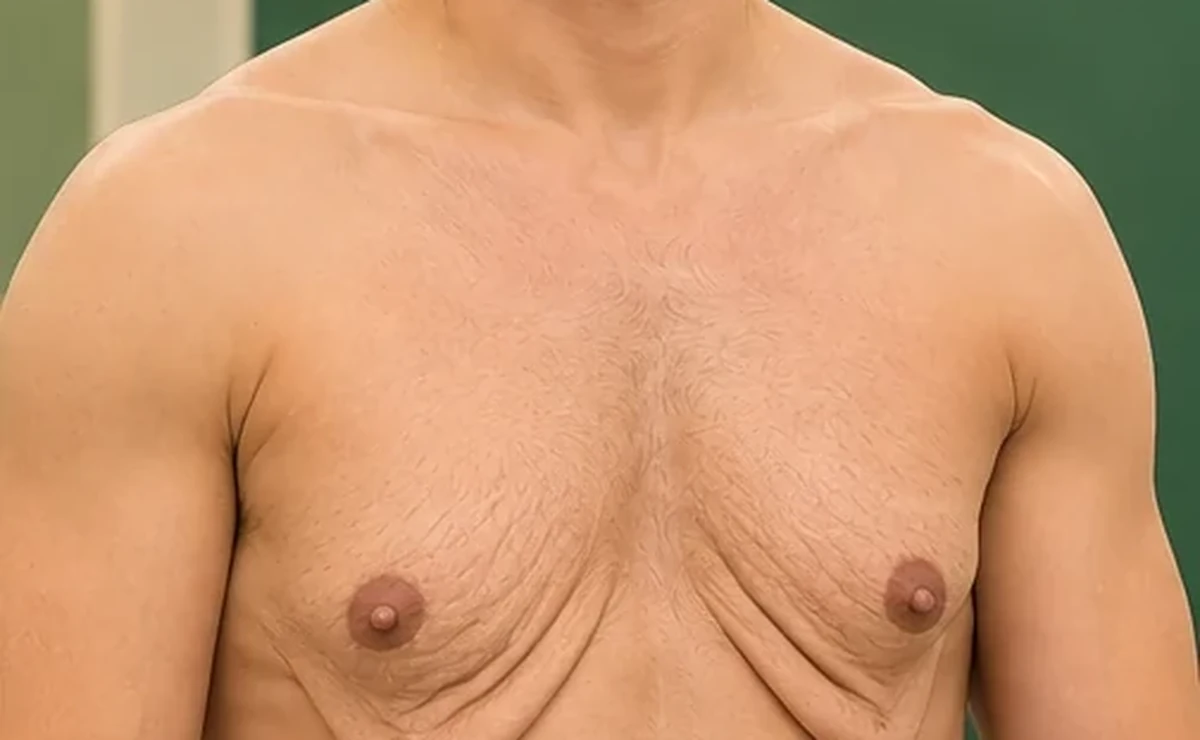
After major weight loss, reduced skin recoil may leave persistent chest laxity even when tissue volume has decreased.
Learn more ↗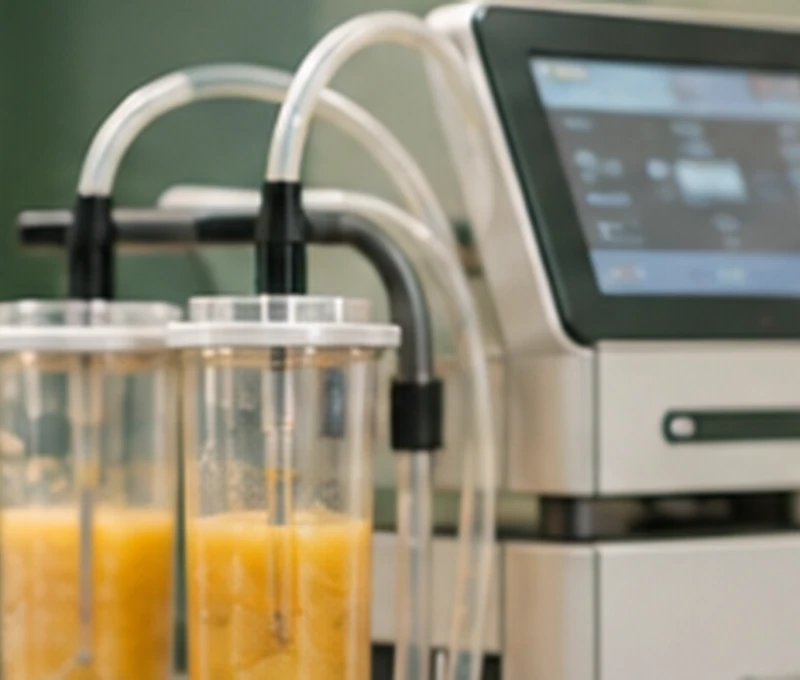
Liposuction with Lipomatic
In suitable patients, Lipomatic-assisted treatment removes excess fat and breast glandular tissue together in one session without an additional incision.
Learn more ↗
Recovery and Follow-up
As postoperative swelling subsides, chest definition becomes clearer; follow-up visits assess healing and tissue adaptation.
Learn more ↗
My surgical approach
Accurate evaluation first, then a plan tailored to the individual.
My surgical approach starts by identifying the cause of gynecomastia and assessing chest-wall anatomy. When both fat and glandular tissue contribute to enlargement and the patient is suitable, I plan a single-session Lipomatic-assisted approach without an additional incision. Safety and balanced chest proportions guide my decisions.
Op. Dr. Mehmet DoğanSpecialist in Plastic, Reconstructive and Aesthetic Surgery